

Perseid Meteor Shower 2025: When and where to watch in UAE
Catch up to 75 shooting stars per hour during Perseid peak
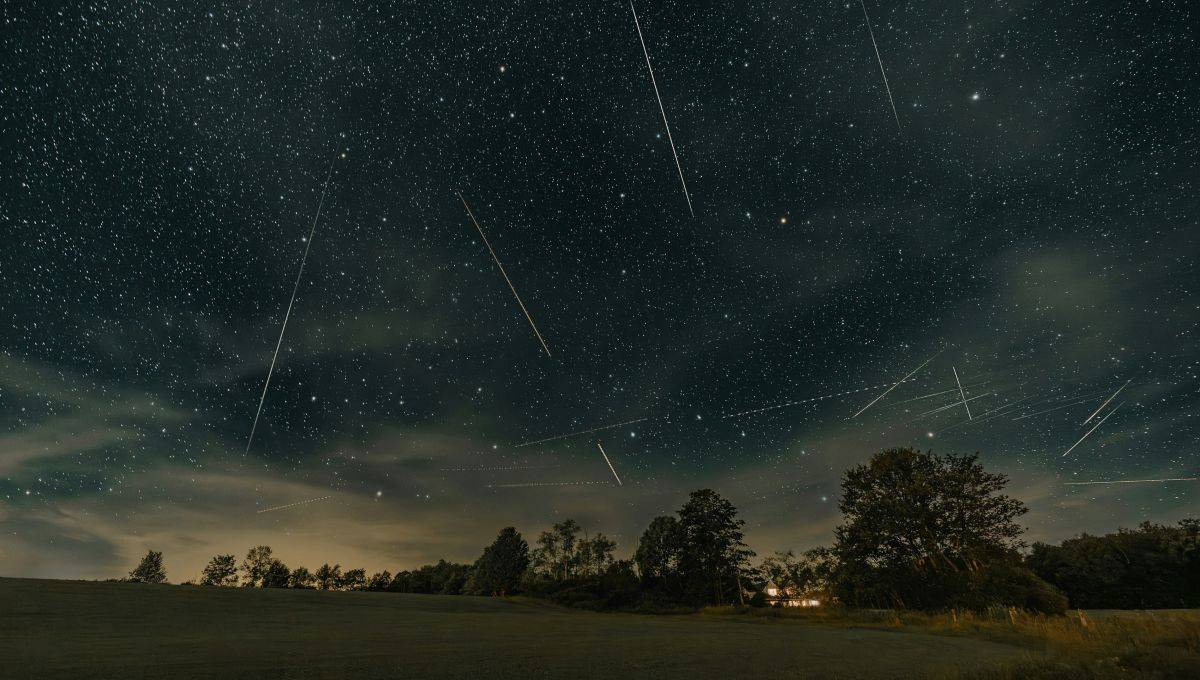
DUBAI: The Perseid meteor shower has begun lighting up UAE skies, marking the return of one of the year’s most dazzling night-sky events.
Running from 17 July to 23 August, it promises weeks of shooting stars and cosmic fireballs for stargazers across the country.
The peak activity is expected on the night of 12–13 August, when the shower may produce up to 75 meteors per hour – though visibility this year will face a notable challenge from the bright Sturgeon Moon.
What are Perseids?
The Perseids are one of the most reliable and brilliant meteor showers, known for their speed (about 60 km/sec) and vivid fireballs. They originate from the dust trail of Comet Swift-Tuttle, a 26 km-wide comet that last passed Earth in 1992. Meteors will appear to radiate from the Perseus constellation, visible in the northern sky.
The Perseids are back – and every color tells us what they're made of!
— Oppenheimer Ranch Project (@Diamondthedave) July 21, 2025
Every summer, Earth drifts through the dusty trail of Comet Swift-Tuttle – and the result is one of the most spectacular meteor showers of the year: the Perseids.
Peaking in mid-August and active right now,… pic.twitter.com/RooCTaoPJn
Moonlight effect
This year’s peak unfortunately coincides with a nearly full moon on 12 August, glowing at about 84% brightness. Lunar light pollution is expected to reduce meteor visibility by up to 75%, dimming all but the brightest streaks. However, alternative windows offer better viewing potential.
For darker skies, observers are advised to head out between 18 and 28 July, particularly around 24 July during the new moon. Though meteor frequency will be lower than at peak, visibility will be clearer without moon interference.
After peak, 16 to 26 August provides another chance, with the moon waning and skies darkening once again.
Top viewing tips
- Choose locations away from city lights — deserts, mountain areas or open fields are ideal.
- Arrive early and allow 20–30 minutes for your eyes to adjust to the dark.
- Avoid using phone screens or flashlights while viewing.
The best time to watch is between midnight and dawn, when the meteor radiant is highest.
Bonus showers
On 29–30 July, two additional meteor showers peak:
- Southern Delta Aquariids – up to 25 meteors/hour
- Alpha Capricornids – fewer meteors, but brighter fireballs
UAE stargazers can also mark 26 July for the season’s last Milky Way night and look ahead to a total solar eclipse in August 2027, parts of which will be visible from the country.